

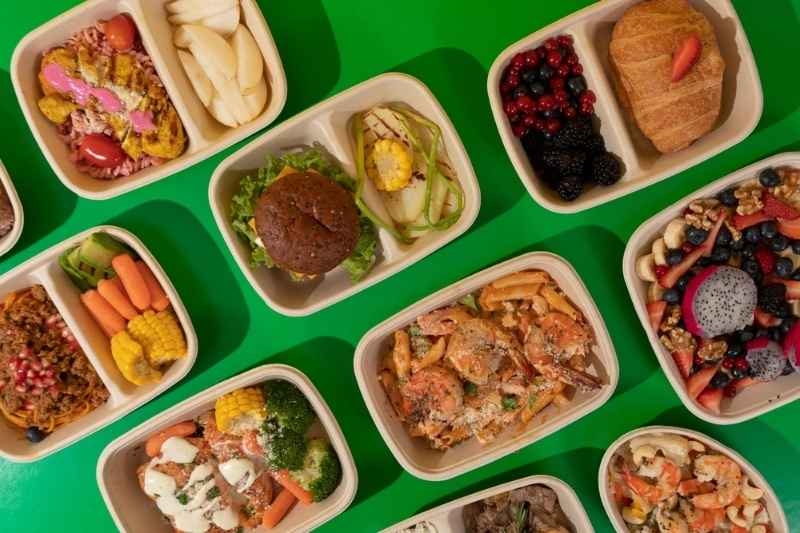
When you are trying to eat healthy while keeping your budget in check, certain weeks can feel nearly impossible. Groceries are becoming more expensive by the week, dining out is an added cost you likely cannot afford, and takeout adds up very quickly. All of these reasons are exactly why meal prepping ideas that fit a budget are such a growing trend! They cut costs and stress and make life a whole lot easier on weekdays.
According to the USDA 2025 report, American families spend thousands of dollars per year on food purchased outside of the home. On average, meal prep can save households nearly 25% on food per week when you are consistent, reduce food waste, and help you on your path to eating healthy.
The great thing about budget meal prep ideas is that you do not have to stick to plain chicken and boring rice every day! Meal prep takes so many forms and can make eating healthy and sticking to a budget a breeze! Here are a few quick meal-prep ideas you can use during the week.
It is not too surprising that the easiest part of meal prep is breakfast. It is cheap and filling, and the recipe can be varied in so many ways. In addition to rolled oats and some milk or yogurt, you could add fruit, peanut butter, bananas, or even cinnamon. Mason jars or reusable plastic food storage containers can also store overnight oats for you for the week. A large container of rolled oats will often cost a little less than a single Starbucks coffee you would purchase during your morning commute and will also provide you with a high-fiber, high-protein breakfast, which can be very beneficial for people trying to eat healthy on a budget.
Rice, quinoa, couscous, and pasta are the building blocks of cheap meal prep because they can be served in so many meals that they may even get boring at some point! A large pot of rice or grains can go a long way, serving as a base for burrito bowls, stir-fry dinners, or lunch meal boxes, among other recipes. Buying bulk grains and rice further reduces the cost of weekly groceries. Quinoa and brown rice will also be healthier options with a high protein content to help keep you full.
Essential Reads: Simple Daily Habits for a Better, Balanced & Mindful Life
Buying rotisserie chicken is the "fastest" cooking method, as it saves you time in the kitchen and provides lean protein for multiple dishes. Rotisserie chicken can be used to make a quick and easy sandwich or wrap, added to a burrito bowl, incorporated into a pasta dish, or used in a variety of salads and soups. Many restaurants or stores sell rotisserie chickens as an alternative to buying one fast-food meal, and they will be less expensive than any combination deal you purchase in a restaurant. It is one of the easiest grocery savings tips for busy individuals. Shredding chicken when it is first purchased can also make your weekday meals quicker to assemble.
Burritos can be used as inexpensive and convenient meals when you do not have time to cook every night. With scrambled eggs, rice, beans, cheese, and veggies or turkey, they are a complete and balanced meal that is great for on-the-go meals. They are often much healthier and cheaper than frozen store-bought burritos. It is another one of those meals that is convenient without the heavy processing.
Sheet-pan dinners are also beneficial in many ways because they help you save time, and they also require fewer dishes to wash. You simply add vegetables or meat to a single sheet pan, roast it in the oven, and portion the meals. Broccoli and chicken, peppers and potatoes with sausage, or sweet potatoes and chickpeas are cheap meal-prepping ideas that work really well. Utilizing in-season produce can help further lower grocery bills. Many people fail at meal prepping because their plans require too much cooking, so keeping it simple will help.
Soup is an economical way to feed many people, using pasta, beans, lentils, and vegetables. A large pot of soup will provide many meals at a very low cost, and it freezes very well for future meals. Lentil soup, chicken vegetable soup, and chicken chili are all healthy, hearty, and affordable meal-prepping ideas. It is found that households that buy cooked foods at home cook them more efficiently for the portion size than restaurants do.
If you eat a lot of snacks throughout the week, you are spending money that could go towards preparing full meals! Make simple snack boxes out of nuts, fruits, hard-boiled eggs, veggies, and dip or even cheese and cracker assortments. Having pre-prepared snacks readily available will save you hundreds of dollars over the course of the year by preventing unnecessary purchases at coffee shops and convenience stores throughout the day.
Another one of the best grocery savings tips is that it is often easiest to plan meals around the items on sale at your grocery store that week, rather than trying to stick to a fixed list or schedule. If chicken is on sale, build your weekly meals around it, or if produce is in season, use it in as many meals as you can. Many experienced meal planners create meal planning tips that are flexible meal plans rather than strict recipes, so they can easily switch out ingredients if one ingredient's price increases significantly or if they catch an item on sale. Also, remember that a shopping list can help reduce unnecessary impulsive buys, which are among the leading causes of high food bills.
Try This: Work Life Balance Tips for Women: 10 Ways to Thrive
Even the most organized meal preparers cannot avoid life from time to time. Having meals ready in advance will eliminate the need to pay for takeout after a long, strenuous day. Cheap, quick, healthy meals could include a plate of pasta and marinara, a salad with tuna, frozen veggies with rice, or even egg-fried rice or quesadillas. There are many great, quick, healthy meals to make without making your life too difficult.
Ultimately, the process of creating practical meal-prep ideas revolves around consistency, rather than perfection. Small, achievable actions such as cooking grains in advance, preparing larger quantities of meals such as soup, utilizing rotisserie chicken, pre-preparing snacks, and basing meals around sales at the grocery store will save you considerable money on food purchases and eliminate a lot of the daily stress you might be facing when it comes to having to come up with healthy budget meal prep ideas.
The only thing to remember about meal prepping is that it should make your life easier, not more challenging. You do not require high-tech food prep containers, fancy gourmet ingredients, or time-consuming complicated recipes to get the job done. Simple choices can have a big impact, and starting to form small habits like this every week can make all the difference for your budget and the health you maintain throughout the week.
For best food safety, meal prep should generally be kept in the refrigerator for 3-4 days. The lifespan of your meal prep can depend heavily on ingredients, as those containing seafood or dairy products will often last less than hearty meat dishes or cooked grains and should always be properly labeled to avoid confusion and expiration.
Yes, meal prepping is an excellent way to manage weight. Preparing meals in advance reduces impulsive eating and helps you portion meals appropriately, so you are not tempted to overindulge as you might be if you purchase meals in bulk at restaurants or through takeout. Having prepared healthy meals available will make selecting healthy eating on a budget much easier when energy is low or time is short.
Glass containers are great to use because they last longer and keep your food fresher; they also double as microwave-safe containers if you wish. BPA-free plastic containers are lightweight and can be cost-effective when first starting out. Try to buy stackable containers with airtight lids to maximize fridge space and make them easy to transport when carrying your lunch to work or school.
This content was created by AI